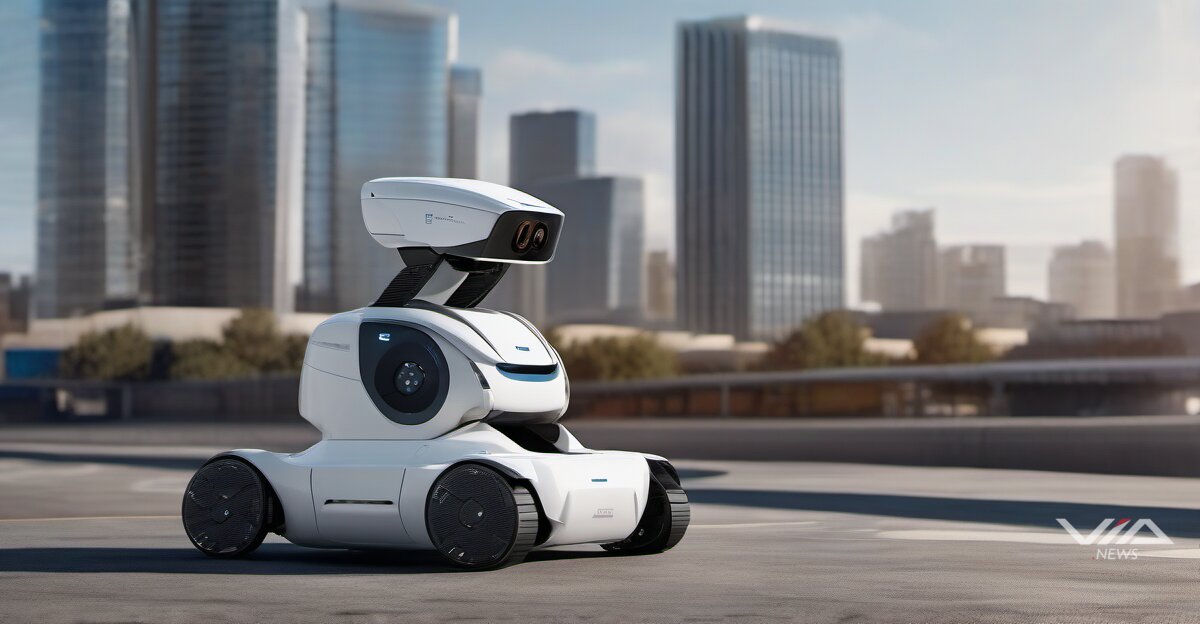
While robotaxis stumble through pilot programs, sidewalk robots just conquered 20 U.S. cities.
Serve Robotics now operates delivery bots across six major metro areas, integrated with both Uber Eats and DoorDash—giving them access to 80% of America's food delivery market.
The scale advantage is real:
→ Each city requires separate permits and regulatory compliance—Serve cleared 20 jurisdictions while competitors stay in controlled environments
→ Dual-platform integration suggests API standardization is happening faster than expected
→ Fixed infrastructure costs (charging stations, maintenance facilities) improve dramatically with geographic spread
→ Real urban data beats campus deliveries—weather, theft, pedestrian interaction across diverse environments
This matters because unit economics finally make sense. Delivery platforms pay $3-8 per delivery to human couriers. Robots require upfront capital but eliminate recurring labor costs.
While Europe debates unified robotics regulations and China restricts trials, America's fragmented approach may be creating the world's largest autonomous delivery dataset.
What's the bigger play here—logistics efficiency or the infrastructure layer for urban automation?
#AutonomousDelivery #Robotics #UrbanTech #FoodDelivery #AIInfrastructure
Follow-up
The operational data from 20 cities reveals fascinating patterns about where autonomous delivery actually works versus the hype. Isubstrate analysis shows how weather performance varies by region, theft prevention strategies, and maintenance requirements that determine real profitability: https://via.news/technology/serve-robotics-scales-sidewalk-delivery-bots-to-20-u-s-cities-partnering-with