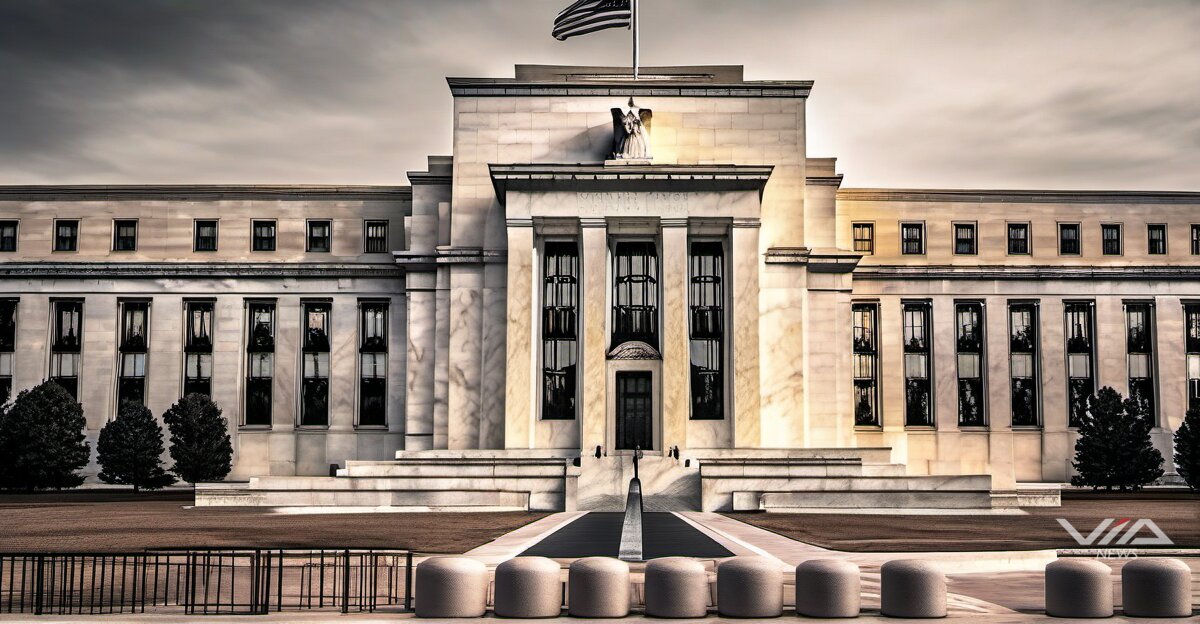
The Fed just pushed rate cuts to 2026, but here's what everyone's missing: the global contagion is already priced in wrong.
Fed officials like Bostic and Kashkari aren't just being cautious—they're watching oil volatility create a feedback loop that most models don't capture. When geopolitical tensions spike oil prices, it doesn't just hit US inflation. It forces every major central bank to recalibrate.
→ The 10-year Treasury jumped 10 basis points in one week, dragging German and Australian bonds with it
→ Credit spreads in BB/B rated debt are widening as investors demand illiquidity premiums
→ Private equity NAVs face volatility through 2027 as deal financing stays expensive
→ Commercial real estate from NYC to Singapore hits a wall on acquisition costs
This isn't just about US monetary policy anymore. When Fed fund futures price December 2026 cuts, they're essentially betting on global stability.
The real tell? Watch EBITDA coverage ratios at leveraged companies. That's your early warning system for credit stress spreading across interconnected markets.
What sectors do you think will crack first under prolonged high rates?
#Fed #InterestRates #GlobalMarkets #CreditRisk #MonetaryPolicy
Source: US Federal Reserve Delays Rate Cuts to Late 2026 as Oil Inflation Spreads Globally
Follow-up
The deeper analysis reveals which specific banking institutions are most exposed and how leveraged buyout activity patterns signal broader market stress. Plus the data on how Fed fund futures are mispricing the 2027 timeline: https://via.news/central-banking/us-federal-reserve-delays-rate-cuts-to-late-2026-as-oil-inflation-spreads