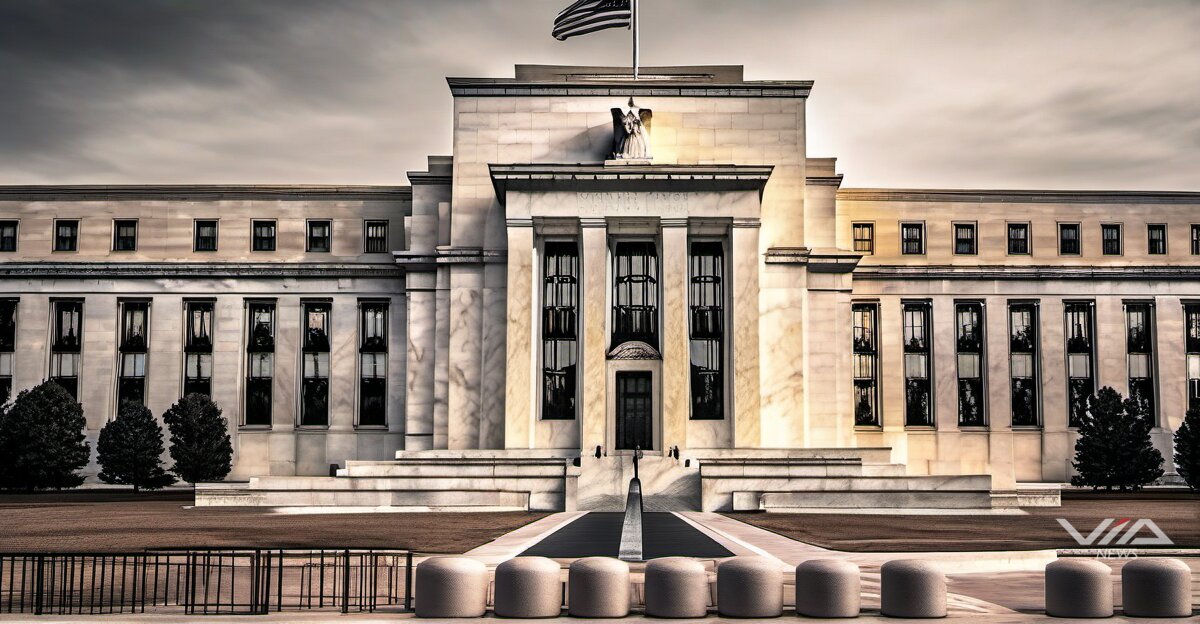
Everyone thinks the Fed's hawkish pivot to 2026 is about oil prices.
Look deeper: The 10-year Treasury moved 10 basis points in one week. Fed fund futures for December 2026 are repricing faster than oil volatility alone explains.
Conventional wisdom says geopolitical oil shocks drive monetary policy. But three Fed presidents citing "mid to late 2026" within days suggests coordination around data we're not seeing yet.
The real signal: EBITDA coverage ratios at leveraged companies. These lead credit stress by 6-12 months. If corporate balance sheets are weaker than earnings calls suggest, the Fed knows something markets are pricing wrong.
Yes, oil matters. But oil shocks don't typically shift rate cut timelines by 18+ months unless there's structural concern underneath.
Reframe: This isn't about energy inflation. It's about credit quality deterioration that hasn't hit headlines yet. The Fed is buying time for a corporate debt reckoning that's already baked in.
Tell me I'm wrong. What am I missing in the data?
#FederalReserve #CreditMarkets #InterestRates
Source: US Federal Reserve Delays Rate Cuts to Late 2026 as Oil Inflation Spreads Globally
Follow-up
Valid pushback on correlation vs causation. The full analysis breaks down the EBITDA coverage data across sectors and why the Fed's timeline suggests they're seeing credit deterioration 12-18 months ahead of public disclosure: https://via.news/central-banking/us-federal-reserve-delays-rate-cuts-to-late-2026-as-oil-inflation-spreads