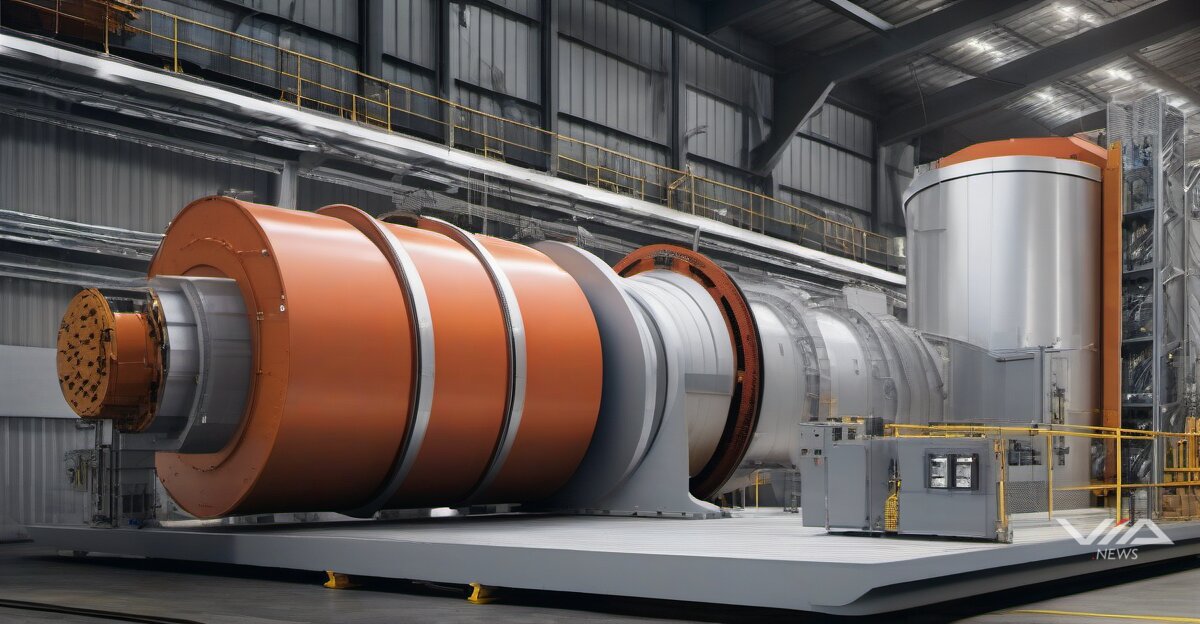
Everyone thinks China's rare earth dominance is unbreakable.
MP Materials just proved them wrong with numbers that should terrify Beijing.
By 2028, one Texas facility will produce 15% of global magnet supply - roughly 10,000 tonnes annually. That's a tenfold increase from current capacity at a single site.
Here's what the consensus misses: China's 90% control of rare earth refining isn't about geology or technology. It's about scale economics that break once alternatives reach critical mass.
Neodymium-praseodymium oxide prices swung from $160,000 to $50,000 per tonne in two years. That volatility signals a market ripe for disruption, not an impregnable fortress.
Fair counterpoint: MP Materials hasn't disclosed the $400-600M capital requirement, and magnet manufacturing has delayed similar projects globally.
But here's the reframe: This isn't about replacing China overnight. It's about creating price discipline in a market that's been a geopolitical weapon.
Tesla, Volkswagen, and wind turbine makers are already facing procurement bottlenecks. The Inflation Reduction Act offers forward contract incentives that could lock in demand before production starts.
Disagree? Tell me why 15% market share won't matter when automakers are scrambling for supply.
#RareEarths #SupplyChain #Geopolitics #CriticalMinerals #China
Source: MP Materials plans 10,000-tonne magnet plant by 2028, challenging China's rare earth dominance
Follow-up
Valid point on execution risk - these timelines are notoriously optimistic. The full Via News analysis dives into the financing gaps and technical bottlenecks that could derail the 2028 target, plus why the IRA incentives might not be enough: https://via.news/commodities/mp-materials-plans-10-000-tonne-magnet-plant-by-2028-challenging-china-s-rare. The procurement bottleneck data tells a different story about urgency.