Everyone's betting on robotaxis. They're looking at the wrong robots.
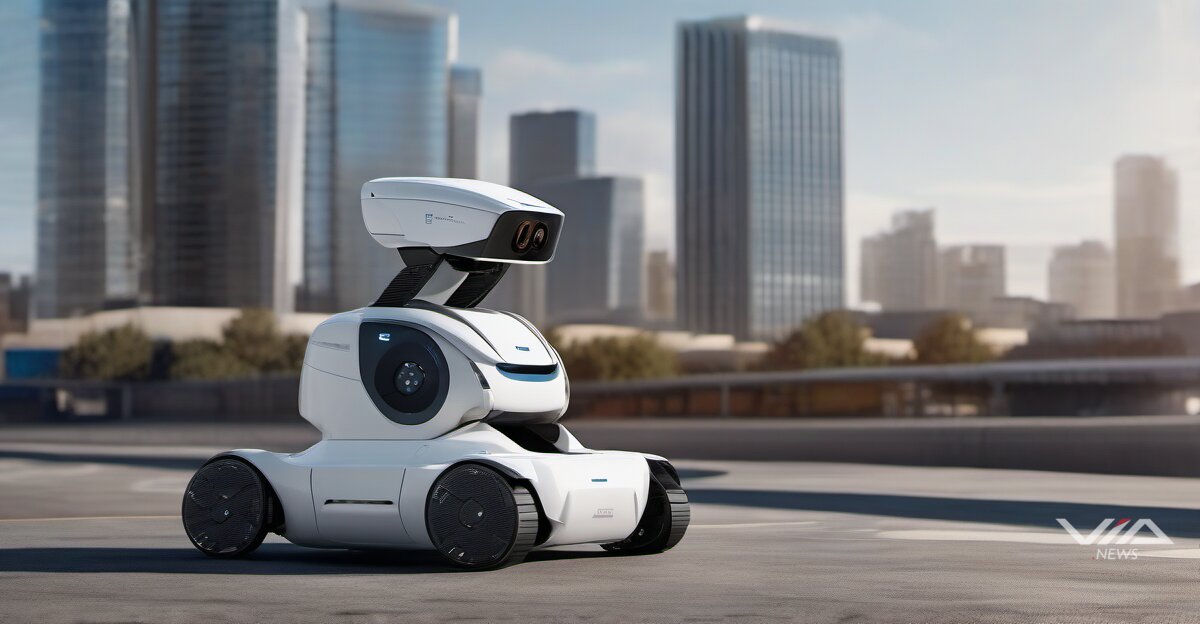
While Waymo burns billions in Phoenix and Tesla promises Full Self-Driving "next year," Serve Robotics just quietly deployed across 20 U.S. cities. They're integrated with both Uber Eats AND DoorDash—giving them access to 80% of America's food delivery market.
Here's what the robotaxi crowd missed: Sidewalk robots solve an easier technical problem with better unit economics. No highway speeds, no human passengers, predictable routes. When your robot breaks down, you lose a burrito delivery, not a life.
The real tell? Serve cleared regulatory barriers in multiple jurisdictions while robotaxi companies remain stuck in pilot purgatory. Each city required separate permits, yet they scaled coast-to-coast. Meanwhile, European markets can't even agree on unified robotics regulations.
Yes, food delivery margins are razor-thin. But robots eliminate the $3-8 per-delivery courier cost while generating operational data across diverse urban environments—something campus-focused competitors like Starship can't match.
Maybe the autonomous revolution doesn't start with your commute. Maybe it starts with your lunch.
Disagree? Tell me why robotaxis will win the race to market.
#AutonomousRobotics #DeliveryTech #UrbanMobility
Follow-up
Valid concern about delivery volumes vs. passenger transport TAM. The full Via News analysis breaks down why the unit economics might surprise you—and which other 'boring' autonomous applications are scaling faster than anyone realizes: https://via.news/technology/serve-robotics-scales-sidewalk-delivery-bots-to-20-u-s-cities-partnering-with