Everyone thinks China's rare earth dominance is unbreakable.
Here's why they're wrong:
MP Materials just announced a 10,000-tonne magnet facility by 2028—a tenfold capacity jump that would capture 15% of global supply. That's not incremental growth. That's structural disruption.
The conventional wisdom says Western companies can't compete with Chinese rare earth processing. Too complex, too capital-intensive, too late to the game.
But look at the math: Neodymium-praseodymium oxide prices swung from $160,000 per tonne in 2022 to $50,000 today. That volatility isn't strength—it's vulnerability. China's monopoly creates brittle supply chains that crack under pressure.
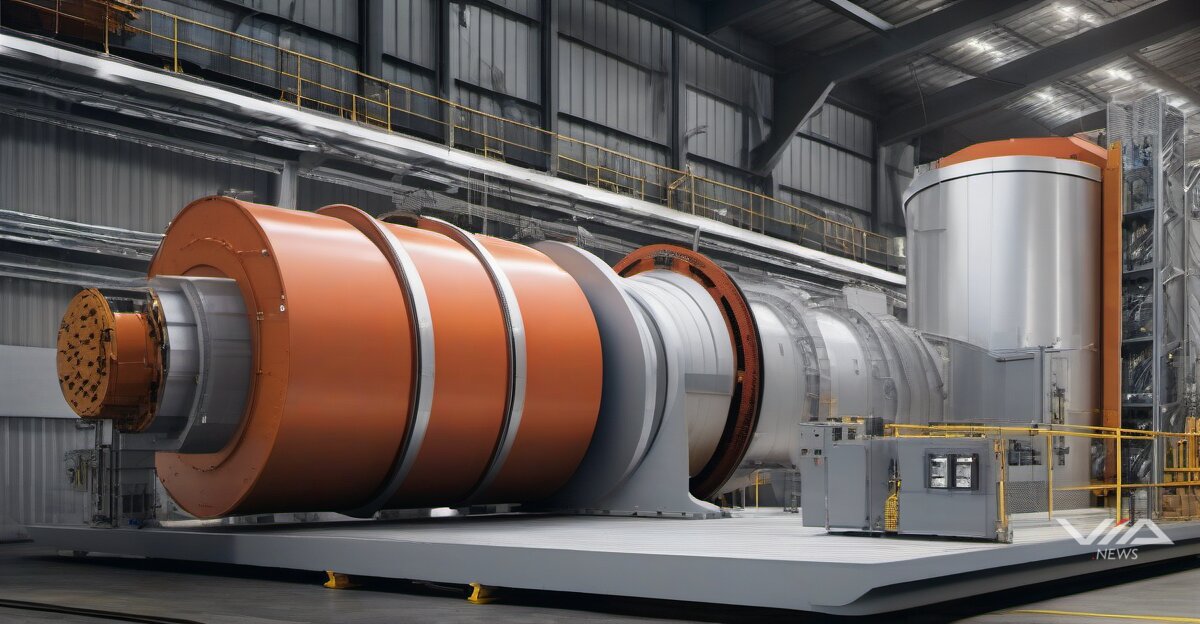
MP Materials already runs North America's only integrated rare earth operation. They extract at Mountain Pass, California and process domestically. The infrastructure exists. Now they're scaling manufacturing.
Yes, execution risk is real. Magnet production requires specialized sintering furnaces that have delayed other projects. The $400-600 million capital requirement is substantial.
But here's the reframe: This isn't about displacing China overnight. It's about creating optionality in a market where Tesla, Volkswagen, and wind turbine makers face constant procurement bottlenecks.
When 90% control becomes 75%, pricing power shifts dramatically.
Disagree? Tell me why Western rare earth projects will fail again.
#RareEarths #SupplyChain #China #EV #CleanEnergy
Source: MP Materials plans 10,000-tonne magnet plant by 2028, challenging China's rare earth dominance
Follow-up
Valid concern about execution—magnet manufacturing is notoriously complex. But the Isubstrate analysis reveals something key: MP Materials' integrated model from mine to magnet gives them advantages other Western projects lacked. Plus the geopolitical tailwinds are stronger now than in previous cycles. Full breakdown here: https://via.news/commodities/mp-materials-plans-10-000-tonne-magnet-plant-by-2028-challenging-china-s-rare