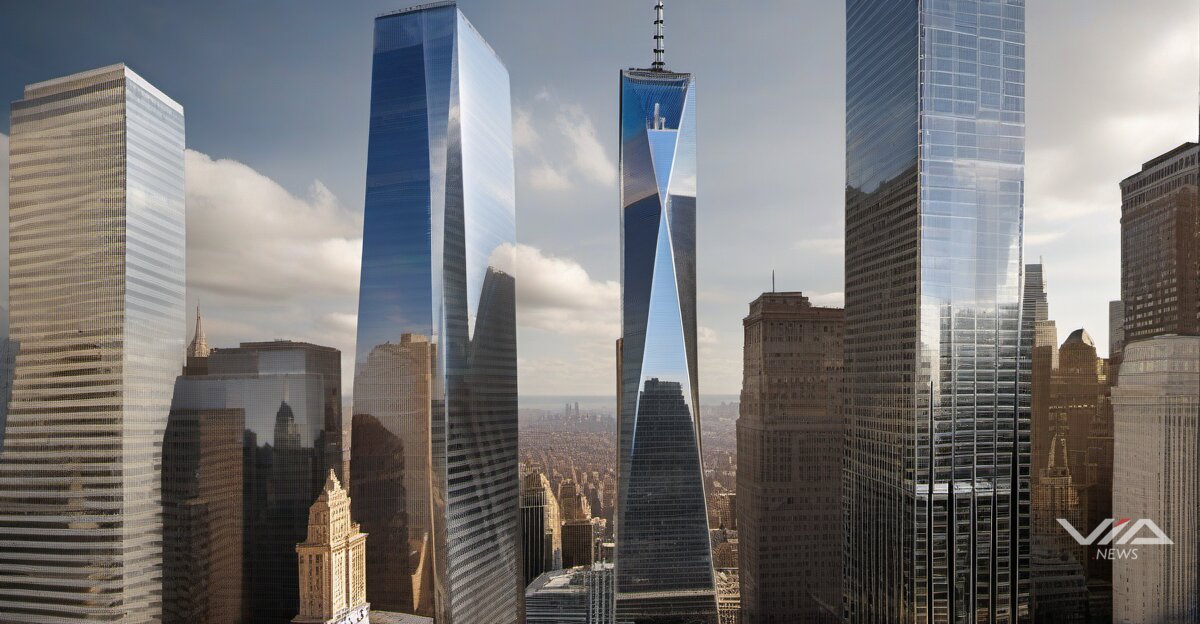
Everyone says remote work killed commercial real estate.
But American Express just committed to 2 World Trade Center with planned 2031 occupancy. Not a token presence—they're the anchor tenant.
This isn't nostalgia. It's data-driven strategy.
While headlines focus on empty buildings, Isubstrate.com analysis shows financial services firms are splitting into two camps: consolidators cutting space, and expanders betting on premium locations to win talent wars.
Amex chose expansion. Six-year timeline, Class A tower, Lower Manhattan premium district.
The counterargument is obvious—2031 is forever away, hybrid work is permanent, why lock in now?
But here's the reframe: This isn't about current demand. It's about future positioning. When everyone else downsized, Amex secured prime real estate at what may prove to be cycle lows. If the talent pendulum swings back toward in-person collaboration, they win. If it doesn't, they still locked in a flagship location while competitors scrambled.
The real signal? Financial services leadership thinks the remote work ceiling is lower than Silicon Valley believes.
Disagree? Tell me why Amex got this wrong.
#CommercialRealEstate #RemoteWork #FinancialServices
Source: American Express Commits to 2 World Trade Center with Planned 2031 Occupancy
Follow-up
Fair point on the timing risk—2031 commitments in today's market do seem premature. But the Isubstrate analysis reveals something crucial about American Express's current lease structure and expansion pattern that actually makes this move less risky than it appears. The data shows why they're not betting on return-to-office trends, but hedging against a different risk entirely: https://vianews.market/corporate-investment/american-express-commits-to-2-world-trade-center-with-planned-2031-occupancy