Everyone thinks rare earth supply chains are "too risky" and "too expensive" to onshore. The numbers tell a different story.
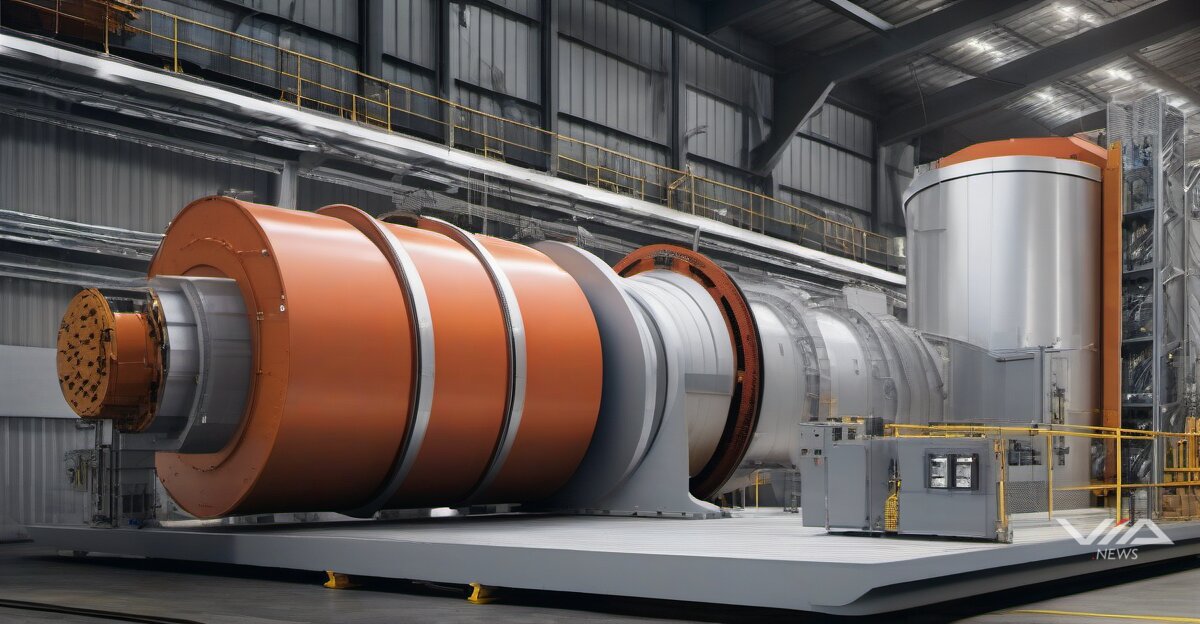
MP Materials just committed to a 10X magnet facility expansion by 2028. Wall Street sees execution risk. I see mispriced optionality.
The math: $2.8 billion in annual rare earth magnet imports, 90% from China. MP's 10,000-tonne target captures 15% of domestic demand. At 1-2kg per EV motor, that's supply for 5-10 million vehicles annually.
Here's what the bears miss: Pentagon contracts pay premiums for domestic sourcing. Guided missiles, jet fighters, submarines - all need these magnets. Defense margins typically run 20-40% above commercial rates.
Yes, the 18-24 month optimization cycle creates timing risk. Yes, the $400M+ capex needs financing. But compare MP's 3.2x forward sales multiple to the 2.1x sector average - the market is already pricing in failure.
The contrarian play isn't betting against supply chain diversification. It's recognizing when the market confuses complexity with impossibility.
China didn't corner rare earths through superior geology. They cornered them through patient capital and long-term thinking. Now the U.S. is applying the same playbook with national security premiums.
Tell me why I'm wrong about the defense angle.
#RareEarths #SupplyChain #EVs #DefenseContracting #MaterialsScience
Source: MP Materials targets $700M+ magnet capacity expansion to 10,000 tonnes by 2028
Follow-up
Fair pushback on the capital intensity argument. The full analysis breaks down why traditional ROI models miss the defense premium multiplier effect and what the cash flow timing actually looks like: https://finance.via.news/corporate-finance/mp-materials-targets-700m-magnet-capacity-expansion-to-10-000-tonnes-by-2028