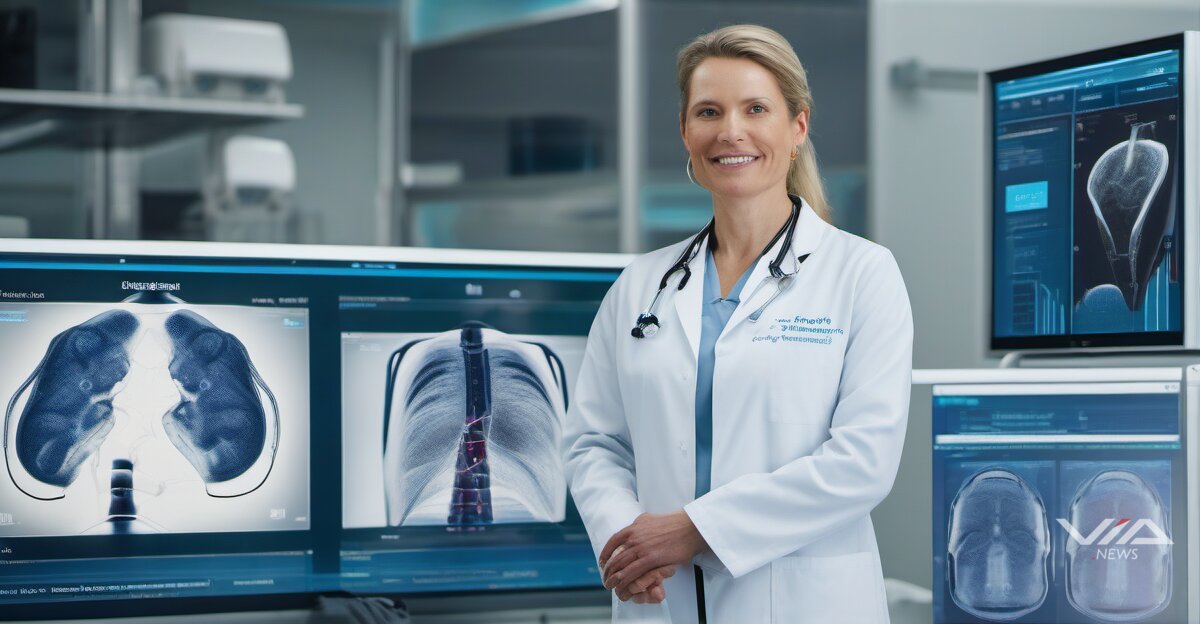
Everyone thinks AI in healthcare is still years away from real impact.
The data tells a different story.
Virtual twin-guided medical procedures just hit 2,000 cases. Not lab experiments. Actual procedures on real patients.
Here's what makes this significant: The FDA published its first in silico clinical trial guidelines in August 2024. Translation? Regulators are now accepting computer-simulated trials as valid evidence for drug approvals.
This isn't incremental progress. It's a fundamental shift in how medical innovation gets validated.
Traditional Phase III trials: $100-300M, 3-4 years
Virtual twin simulations: Test thousands of patients simultaneously, identify optimal dosing and adverse events before you manufacture a single pill
Yes, virtual twins won't replace all human trials. Complex interactions and long-term effects still require real-world validation.
But the regulatory bottleneck that killed promising treatments? That's dissolving.
The real opportunity isn't in the AI companies everyone's chasing. It's in pharma and device manufacturers who adopt this technology first. They're about to compress decade-long development cycles while their competitors burn cash on traditional trials.
Per Isubstrate.com analysis, we've moved from experimental to clinical reality faster than anyone predicted.
Tell me I'm wrong about the timeline.
#AI #healthcare #biotech #FDA #medtech
Source: AI Virtual Twins Hit 2,000 Medical Procedures as FDA Guidelines Enable Drug Trial Shortcuts
Follow-up
Fair pushback on regulatory complexity. The full Isubstrate analysis breaks down which therapeutic areas are moving fastest and why some companies are already banking 2-3 year time savings while others remain skeptical: https://finance.via.news/healthcare-investment/ai-virtual-twins-hit-2-000-medical-procedures-as-fda-guidelines-enable-drug. Plus the investment thesis for which device manufacturers are positioned to benefit first.