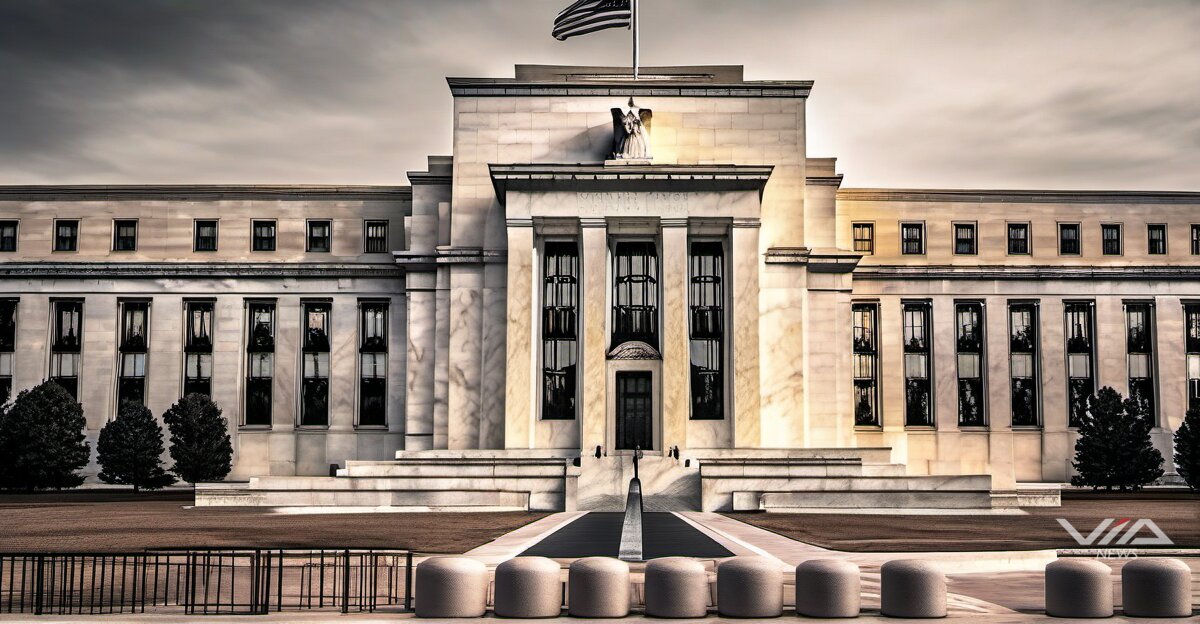
Everyone's panicking about rates staying high until 2026.
They're missing the real story.
While Fed officials like Bostic and Kashkari signal no cuts until late 2026, the 10-year Treasury already jumped 10 basis points in one week. Markets are repricing faster than policy.
But here's what Isubstrate.com analysis reveals: This isn't just about timing—it's about credit market structure breaking down.
Private credit spreads are widening against public high-yield. BDCs face NAV volatility as portfolio companies can't service elevated debt costs. The leveraged buyout machine is seizing up.
Conventional wisdom says "higher rates = bad for everyone."
Actual data shows selective opportunity. Banking sector lending standards create artificial scarcity. Credit-worthy borrowers get priced out while cash-heavy acquirers gain unprecedented leverage.
Yes, oil inflation complicates the timeline. Yes, geopolitical risks matter.
But the real question isn't when rates come down—it's whether credit markets can function at these levels for 24+ months.
Spoiler: They can't.
Disagree? Tell me why I'm wrong about credit market durability.
#FederalReserve #CreditMarkets #InterestRates #PrivateCredit #FixedIncome
Source: Fed Officials Signal Rate Cuts Unlikely Until Late 2026 as Oil Inflation Persists
Follow-up
Fair pushback on Fed flexibility. But the Isubstrate analysis shows three credit stress indicators already flashing warning signs that could force the Fed's hand earlier than 2026. The full breakdown covers EBITDA coverage ratios at leveraged portfolio companies and why December 2026 Fed futures are mispriced: https://finance.via.news/monetary-policy/fed-officials-signal-rate-cuts-unlikely-until-late-2026-as-oil-inflation