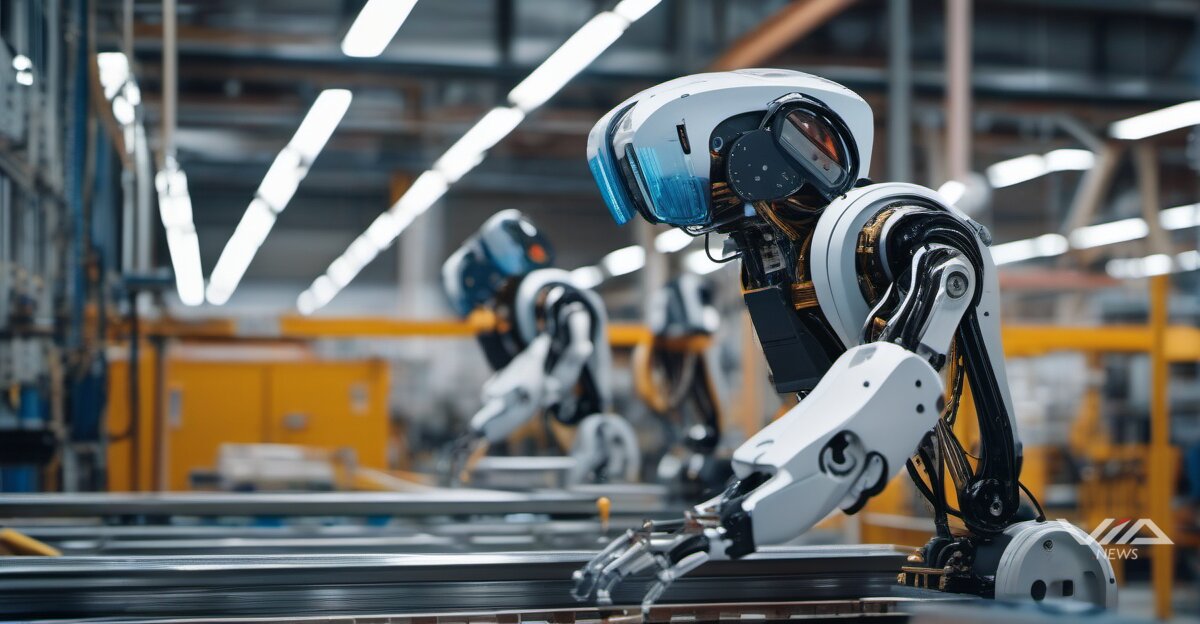
Battery partnerships, not labor costs, are driving the next wave of manufacturing automation.
The Americas hit 55,000+ industrial robot installations for three straight years. But the real story is who's powering these machines.
Hyundai, Kia, and Samsung SDI just formed a robotics battery consortium. Electrovaya launches dedicated robot power systems in July 2025. The signal is clear:
→ Mobile robots need different specs than stationary automation
→ Fast-charging and cycle life determine total ownership costs
→ Automotive battery tech is crossing into industrial applications
→ Current lithium-ion delivers only 2,000-4,000 cycles (insufficient for 24/7 operations)
This isn't about replacing workers anymore. It's about flexible systems that reconfigure workflows instead of fixed assembly lines.
The UK's 51% installation surge in September shows regional adoption varies dramatically—likely driven by labor availability rather than just wage pressure.
What's your take: Will battery constraints limit mobile robot scaling, or will automotive partnerships solve the power density problem?
#industrialautomation #robotics #batterytechnology #manufacturing #supplychaintech
Follow-up
The original analysis also reveals how charging infrastructure costs and battery replacement schedules are reshaping corporate automation budgets, plus specific cycle life requirements for 24/7 manufacturing environments: https://finance.via.news/corporate-investment/industrial-robot-installations-hold-above-55-000-units-as-battery-partnerships