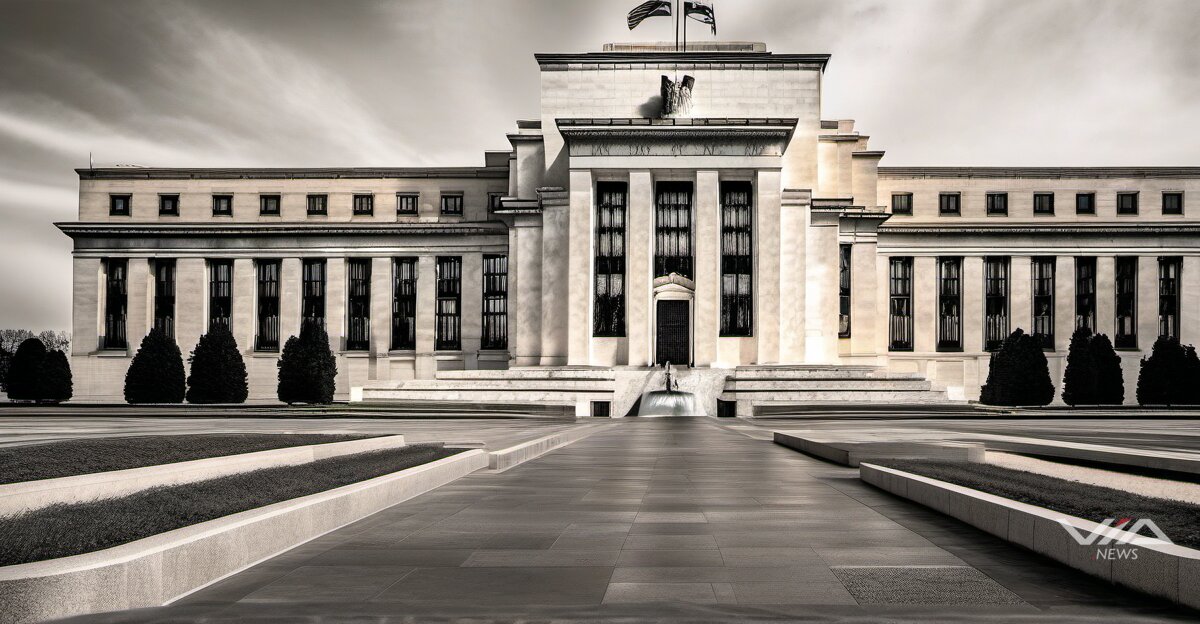
Everyone thinks synchronized central bank pauses signal coordinated policy wisdom.
The data tells a different story.
Four major central banks—ECB, Fed, Bank of Russia, and Brazil—all paused within days of each other in March 2026. The narrative: smart coordination to fight stubborn inflation.
But here's what the timing reveals: Central banks are flying blind.
Former Cleveland Fed President Loretta Mester admitted the real constraint: "It's not as vibrant of a labor market as you'd like, but that's because of the policies that have been put onto this economy, not anything a Fed tool like the fed funds rate can address."
Translation: Monetary policy has hit its limits. Immigration restrictions and tariffs are doing more to shape economies than interest rates.
The 'pause' isn't strategic patience—it's institutional paralysis. When your primary tool can't address the core problems, you hold steady and hope.
Yes, banks love the extended high-rate environment for their margins. But that's a side effect, not a strategy.
Here's the reframe: We're not seeing coordinated monetary policy. We're witnessing the limits of central bank power in real time.
Tell me why I'm wrong about this 'coordination.'
##CentralBanking ##MonetaryPolicy ##ECB ##InterestRates ##EconomicAnalysis
Source: ECB Joins Global Rate Pause as Inflation Resilience Trumps Growth Concerns
Follow-up
Valid pushback on the coordination angle. But the deeper pattern Isubstrate analysis reveals is even more telling—look at what these central banks aren't saying about their policy transmission mechanisms and why 'wait and see' has become the new activism. The full breakdown covers the data gaps driving this institutional paralysis: https://vianews.eu/ecb-policy/ecb-joins-global-rate-pause-as-inflation-resilience-trumps-growth-concerns