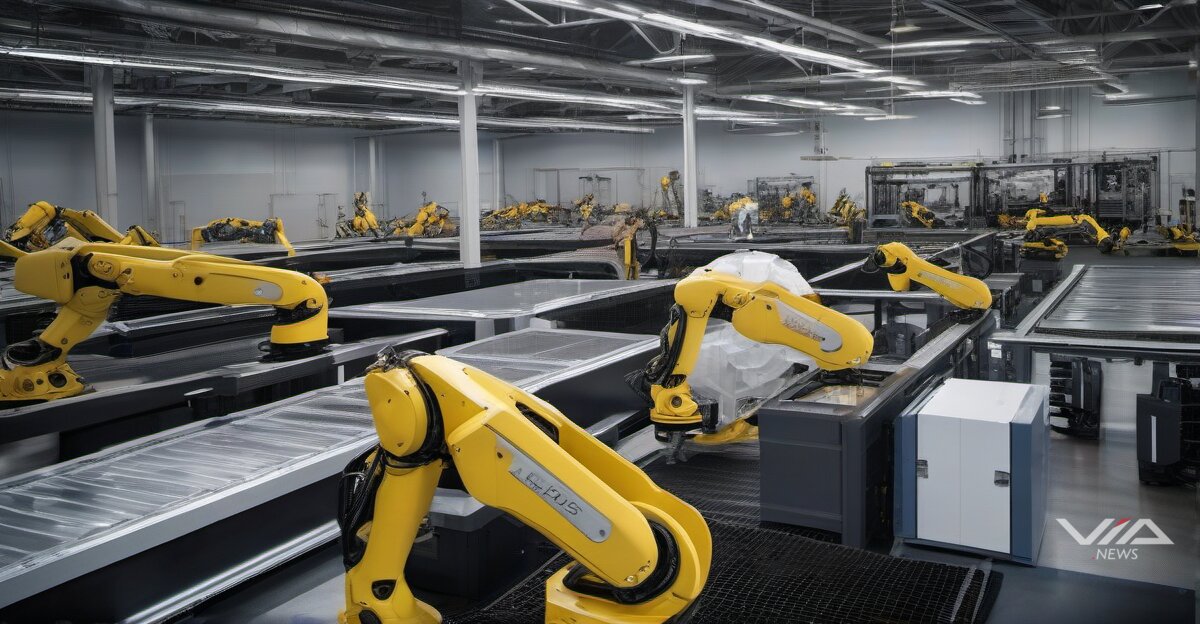
While everyone debates AI's future, robots just crossed the profitability line.
Warehouse robotics hit 98% accuracy rates this quarter. That's not a prototype milestone—it's the economic tipping point where machines cost less than humans at scale.
The money is moving fast:
→ Autonomous vehicles locked 2026-2027 production timelines (not concept cars)
→ Manufacturing reports 30-40% efficiency gains post-integration
→ Five sectors moved from pilots to multi-site deployments with documented ROI
→ Modular components now available off-the-shelf, cutting development costs
This isn't the gradual automation we expected. It's a step-function change in labor economics.
Factories are buying robots that learn new tasks from human demonstrations, then optimize through repetition. No extensive reprogramming required.
The implications hit differently across industries. Logistics and manufacturing see immediate returns. Service sectors face regulatory delays. Healthcare gets selective approvals.
But here's what the numbers really tell us: we just witnessed the transition from "AI research" to "AI infrastructure."
Which industry do you think will be most disrupted by this shift from pilots to production scale?
#AI #Robotics #Manufacturing #Automation #FutureOfWork
Source: Physical AI Robotics Reach 98% Warehouse Accuracy as Autonomous Vehicles Target 2026 Production
Follow-up
The source analysis also breaks down exactly which defense contractors are partnering with manufacturers and how the modular component approach is reshaping supply chains across these five key sectors: https://ai.via.news/robotics-autonomous-systems/physical-ai-robotics-reach-98-warehouse-accuracy-as-autonomous-vehicles-target