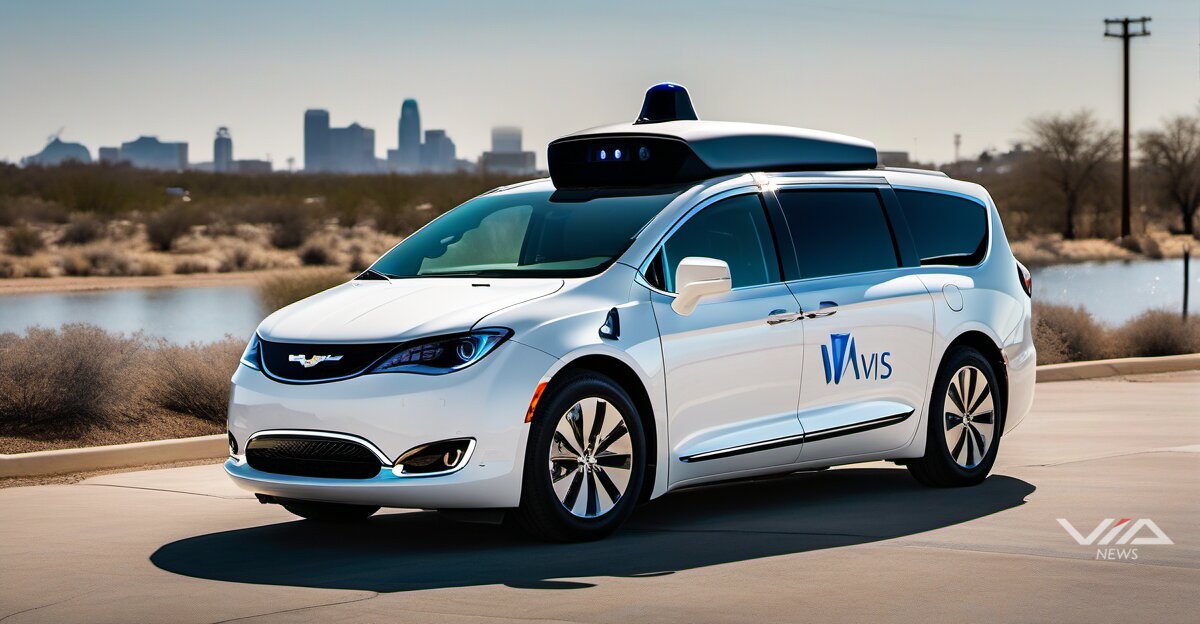
Waymo just outsourced fleet management to Avis. That's not a partnership—it's a signal the robotaxi race has fundamentally shifted.
Early AV companies tried to build everything: the software, the cars, the cleaning crews, the maintenance shops. They were positioning as vertically integrated transportation providers.
Now we're seeing the real business model emerge:
→ Core technology stays in-house (the actual driving AI)
→ Everything else gets outsourced to specialists
→ Capital efficiency beats vertical integration
→ Speed to market trumps control
This looks less like Uber and more like traditional auto manufacturing. Tesla builds cars, Jiffy Lube changes oil.
The timing matters too. Texas requires zero special permits for AVs meeting federal standards. Combine regulatory ease with infrastructure partnerships, and you get rapid expansion without the overhead.
But here's the catch: if every AV company follows this playbook, who has enough fleet management capacity? Avis, Enterprise, and maybe two others.
Is robotaxi scaling about to hit an infrastructure bottleneck nobody's pricing in?
#AutonomousVehicles #Robotaxis #AIStrategy #FleetManagement #Transportation
Follow-up
The original analysis also dives into how Cruise's earlier Enterprise partnership fell apart when they suspended operations, and which Texas markets are positioned for the fastest robotaxi expansion through 2026: https://ai.via.news/autonomous-systems/waymo-partners-with-avis-budget-group-for-dallas-fleet-operations-as-robotaxis