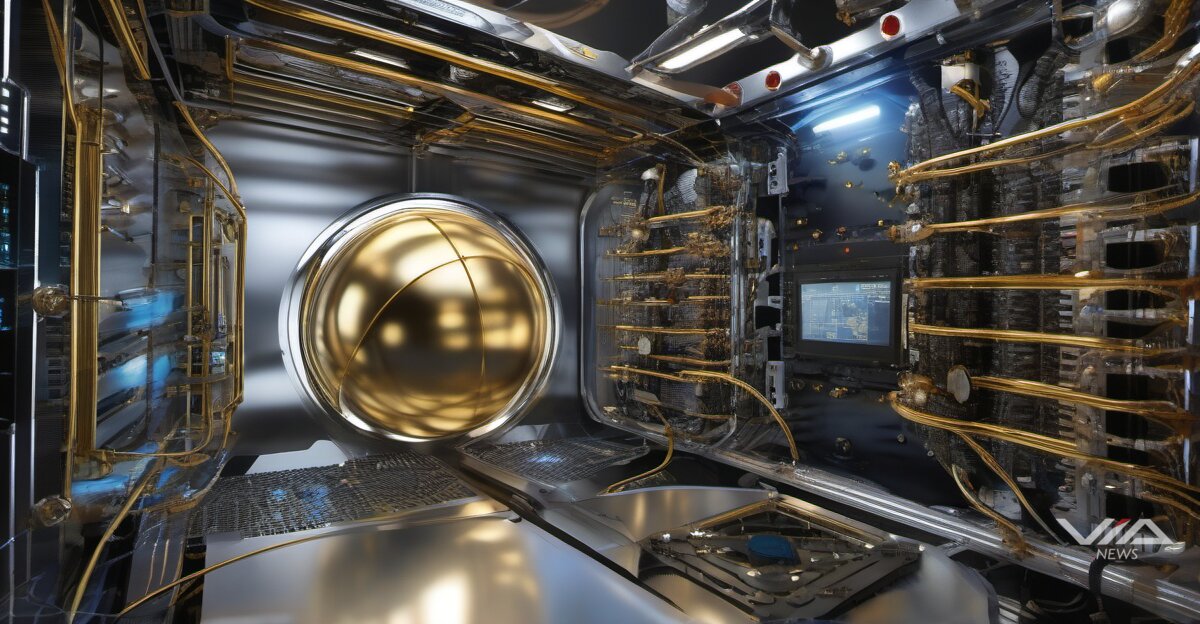
The quantum computing race just hit a $100M dead-end problem.
Five competing hardware architectures are fragmenting the market right when AI integration matters most. No clear winner, massive capital requirements, and a 2028-2030 consolidation timeline that's stranding investments today.
Here's what the numbers reveal:
→ Superconducting leads qubit count (1,121) but needs $50M+ fab facilities
→ Ion traps offer superior coherence (minutes vs microseconds) but scale slowly
→ Photonic systems cut infrastructure costs 90% but lack proven error correction
→ Hybrid quantum-classical emerges as the only viable AI path
The winner won't be pure quantum. It'll be whichever architecture becomes the standard AI co-processor for tensor operations with 100+ logical qubits.
Meanwhile, companies like South Korea's SDT face an impossible choice: specialize in one architecture and risk obsolescence, or spread resources thin across all five.
This isn't just about quantum supremacy anymore. It's about which platform survives the AI integration test while billions in R&D hang in the balance.
Which quantum architecture do you think will dominate AI workloads by 2030?
#QuantumComputing #AIHardware #TechInvestment #QuantumAI #HardwareArchitecture
Follow-up
The original analysis also breaks down specific manufacturing costs for each architecture and explains why hybrid systems are becoming the stealth winner in quantum-AI integration: https://ai.via.news/quantum-computing-hardware/quantum-hardware-faces-architecture-fragmentation-as-five-competing-approaches