Everyone believes AI chip supremacy belongs to whoever builds the most advanced fabs.
But while TSMC and Samsung pour $10-20 billion into new Arizona and Texas facilities, GlobalFoundries just made a smarter play.
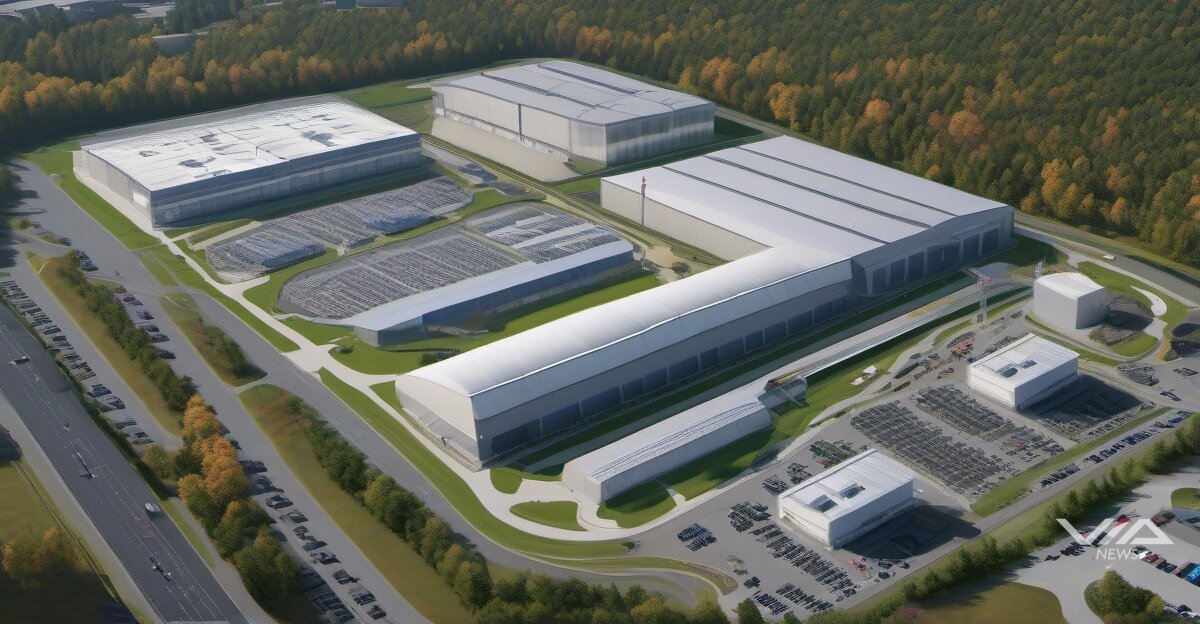
Instead of chasing 3nm bleeding-edge nodes, they're expanding mature 12nm-28nm capacity at their existing Dresden fab. Why? Because the AI chip market isn't what the headlines suggest.
Training chips need cutting-edge nodes. But inference chips—the ones actually running AI in your phone, car, and smart devices—work perfectly fine on mature processes. And there are 10x more inference chips than training chips by volume.
Here's what the data shows: Edge AI and automotive AI demand is growing 15-20% through 2027, creating a supply crunch in mature nodes while everyone obsesses over advanced ones.
GlobalFoundries also acquired MIPS processor IP and AMF capabilities, giving them alternatives to ARM licensing. That's a 10-15% cost reduction for companies building custom AI accelerators, according to design consultants.
The contrarian reality: The AI chip war isn't being won by the most advanced technology—it's being won by the most practical capacity in the right market segments.
Am I missing something? Where do you see this strategy failing?
#AIchips #semiconductors #GlobalFoundries #SupplyChain #EdgeAI
Source: GlobalFoundries Acquires Three IP Portfolios While Expanding Dresden Fab for AI Chip Production
Follow-up
Valid concern about mature node margins vs advanced nodes. But the Isubstrate.com analysis reveals something counterintuitive about pricing power in this 'commodity' segment—especially when you control the IP stack. The full breakdown shows why this could be more profitable than the TSMC playbook: https://ai.via.news/ai-hardware/globalfoundries-acquires-three-ip-portfolios-while-expanding-dresden-fab-for-ai